
2025 was a year in which it became clear how much precise planning determines the future viability of food processing companies. Production processes became more complex, hygiene requirements stricter, spatial situations tighter – and more and more often, existing buildings had to be rethought rather than built from scratch.
For Schwan Projekt GmbH, this meant not only drawing plans, but also reorganizing production logic: Making processes visible, structuring spaces and making decisions that have a tangible impact on everyday life. The year showed how very good planning forms a foundation for safety, efficiency and structural quality.
Planning as a key factor in a changing market
In 2025, the food industry was at a point where small spatial changes had a major impact on production processes. Many companies were therefore not looking for more space, but for better organization.
The question was increasingly: How do you create zones that function logically? How can paths be shortened, hygiene areas clearly separated and material flows safely managed?
For Schwan Projekt, planning thus became a kind of translation between requirements, existing buildings and subsequent structural implementation. Particularly in meat, cheese and dairy plants, it became clear how important it is to analyze at an early stage which areas have which function – and how these functions conflict or harmonize with each other. This made planning even more of a strategic tool.

Three projects that show how planning changes processes
Existing building restructured – hidden precision
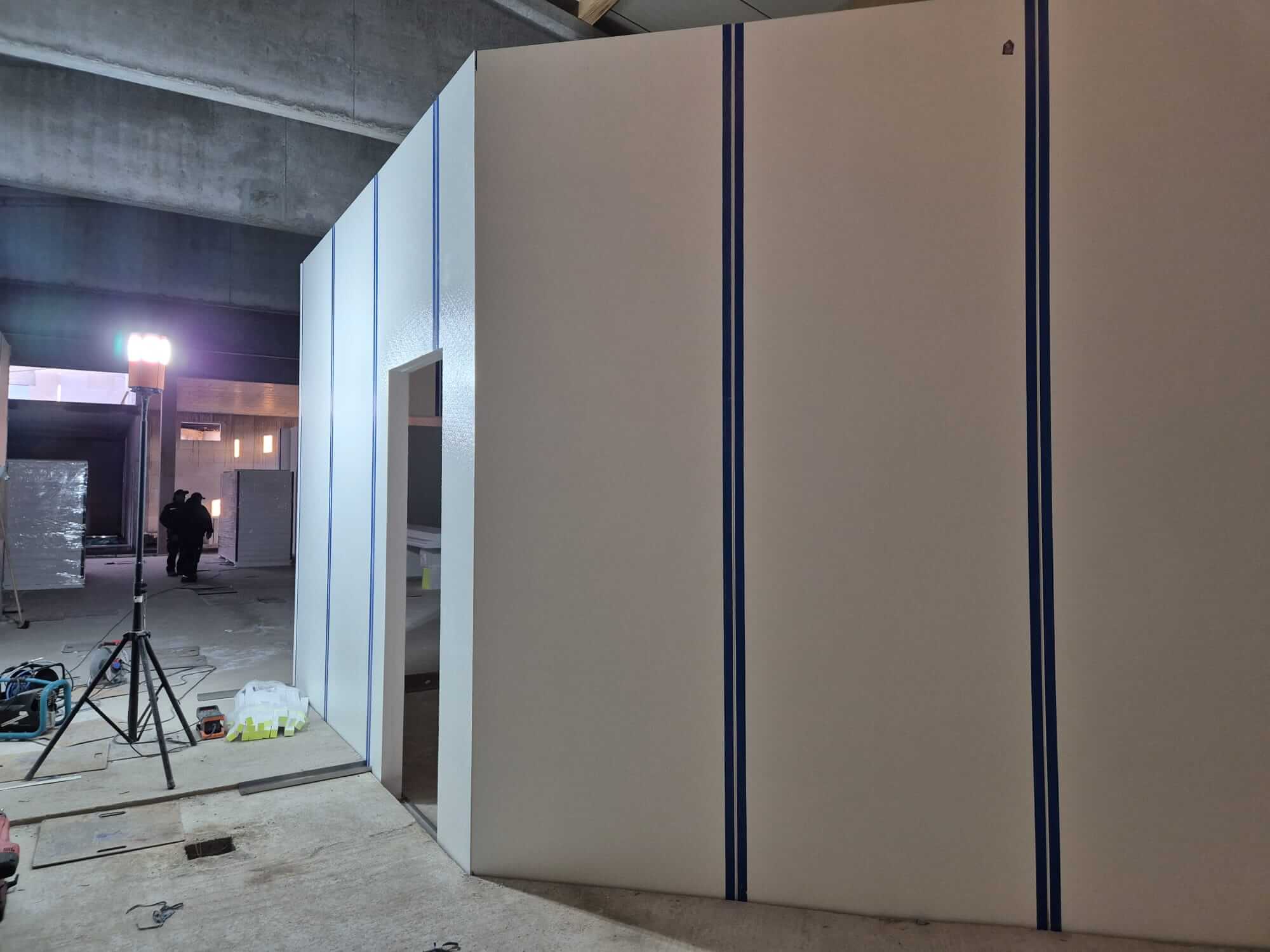
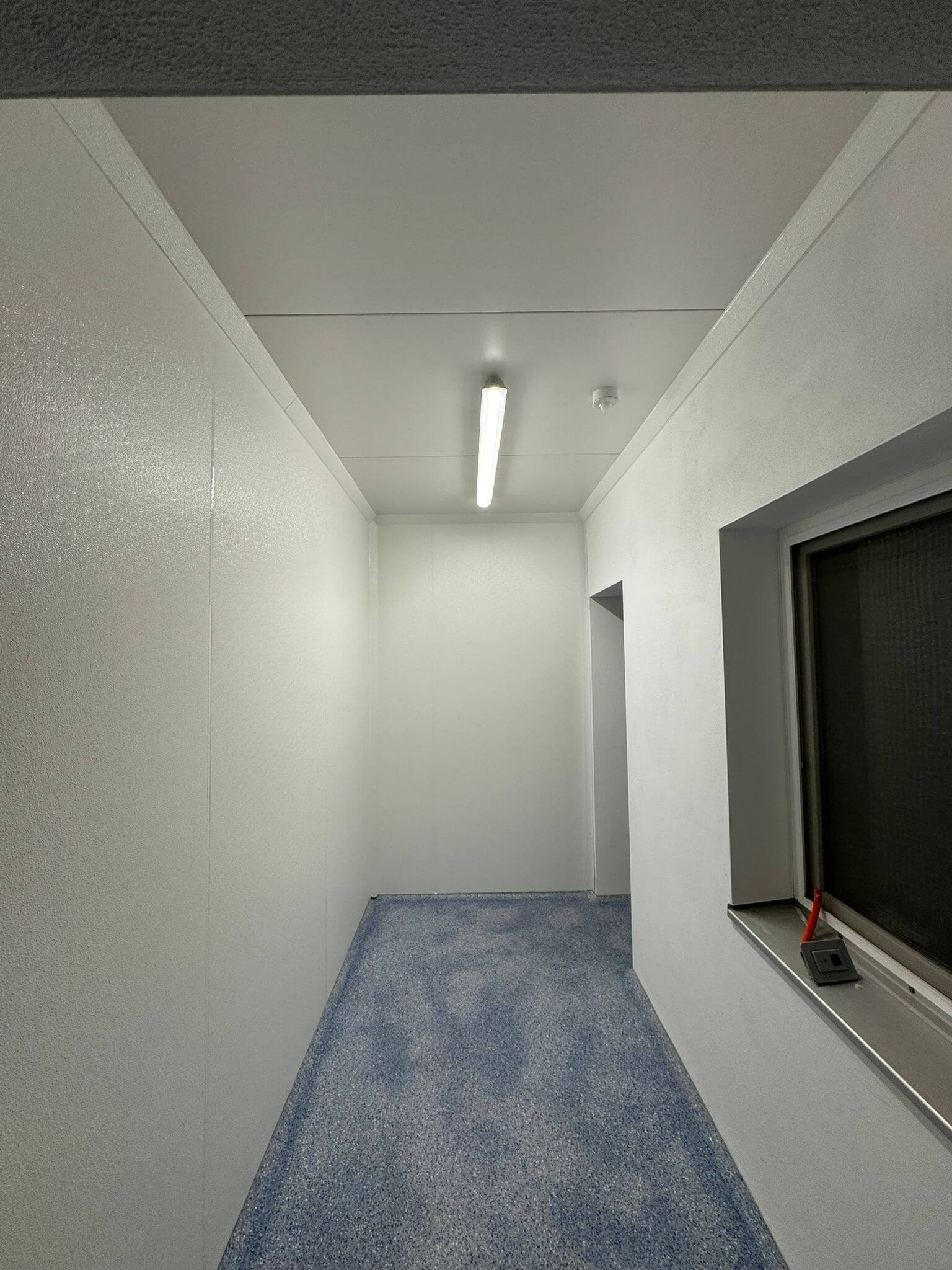
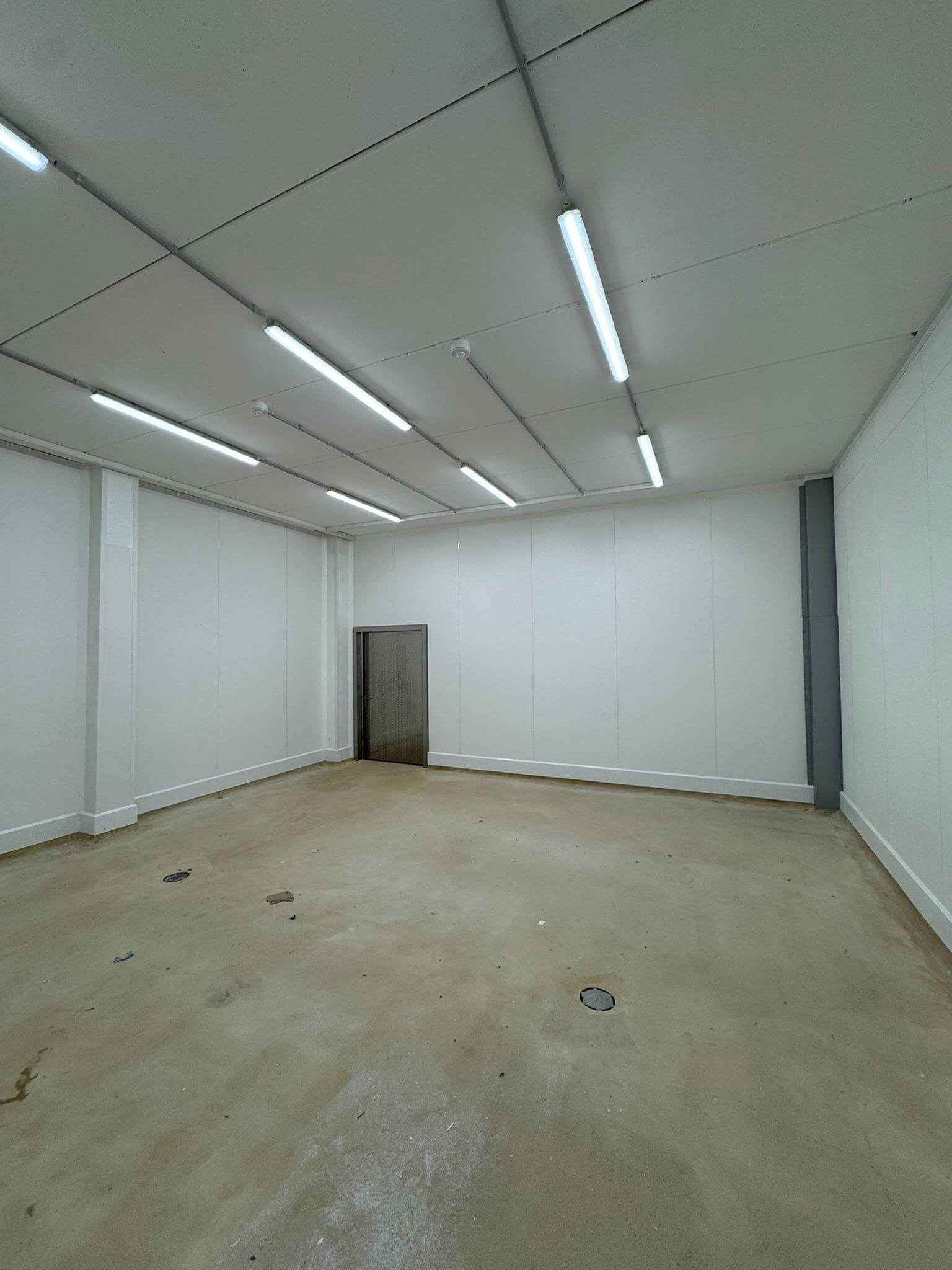
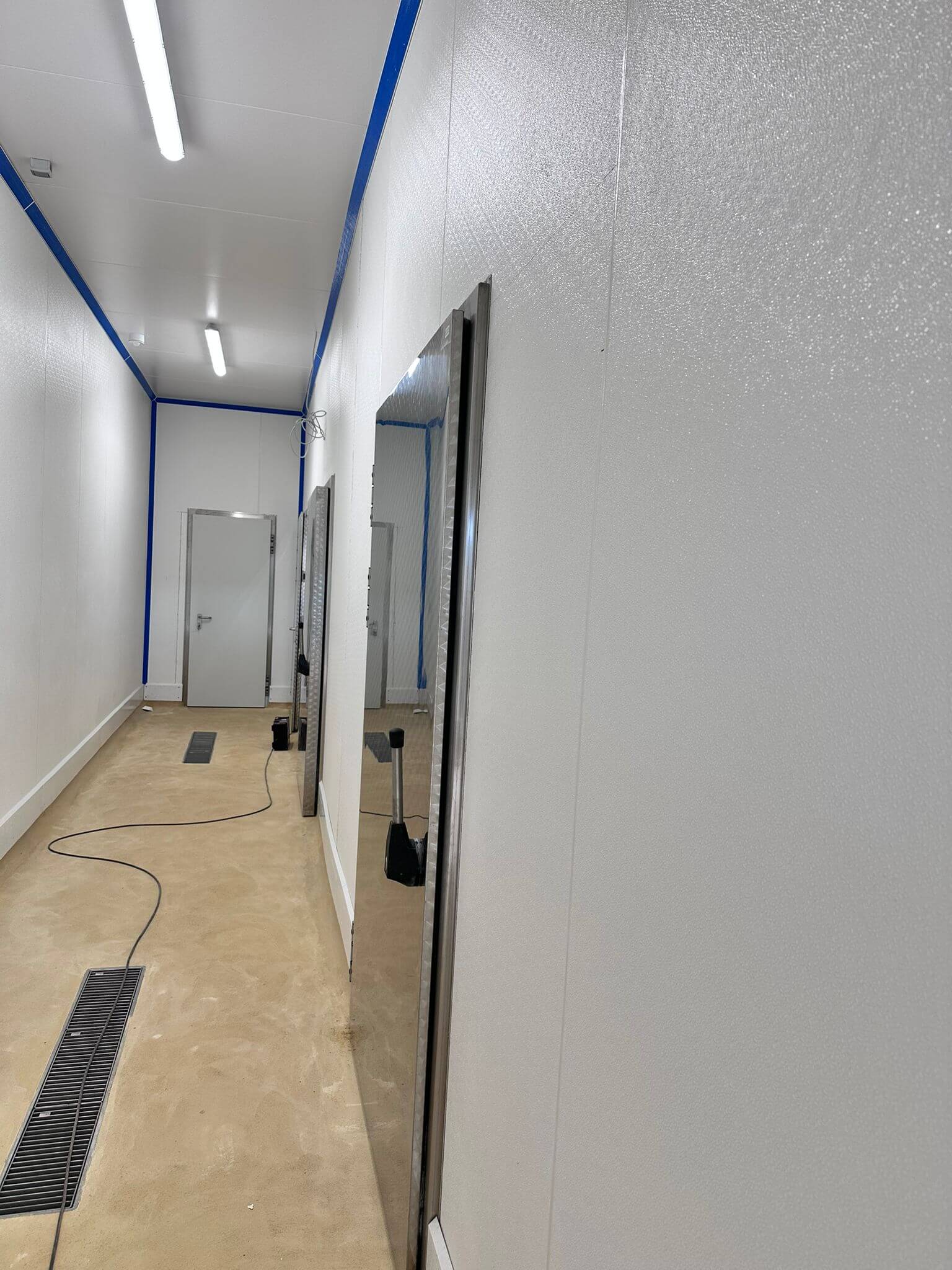
An older production building, in which hardly any room corresponded exactly to the ideal process logic, required a complete realignment. The challenge lay not only in the limited space, but also in the technical integration of existing systems. The concealed secondary structure, which would later support the pipe track, was modeled so precisely during the planning stage that it fitted into the existing structural system with millimetre precision.
The reorganization of the functional areas, the routing and the hygienic zoning meant that what was once a restless, difficult-to-clean production area now has a clear structure. The project showed that even complex inventories can be transformed into efficient spaces for the future with good planning.
Rethinking delivery – planning as an ergonomic lever
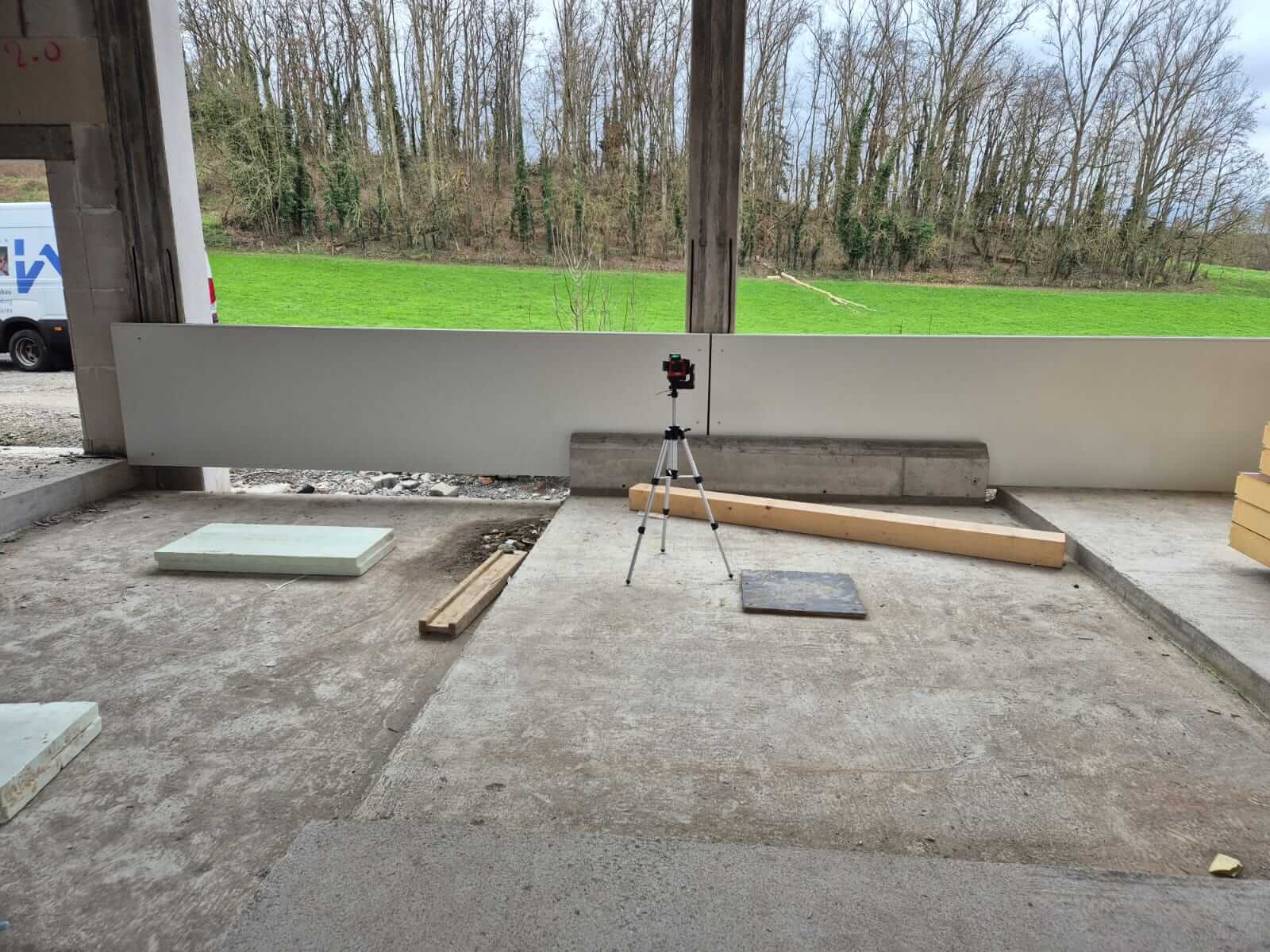
In an artisanal business, the existing delivery area was a bottleneck for personnel, material flow and hygiene. The planning task was to develop a smooth transition from a classic ramp situation to production. The new concept with scissor lift table arose from the analysis of real movement sequences and enabled precise adaptation of heights, routes and transitions.
The structural conversion then seemed like a natural part of the operation – and yet it was the planning that made the decisive difference. The project made it clear that ergonomic and hygienic improvements rarely look spectacular, but make a significant difference to the day-to-day running of a business.
New building in a narrow courtyard – functional clarity despite limited space
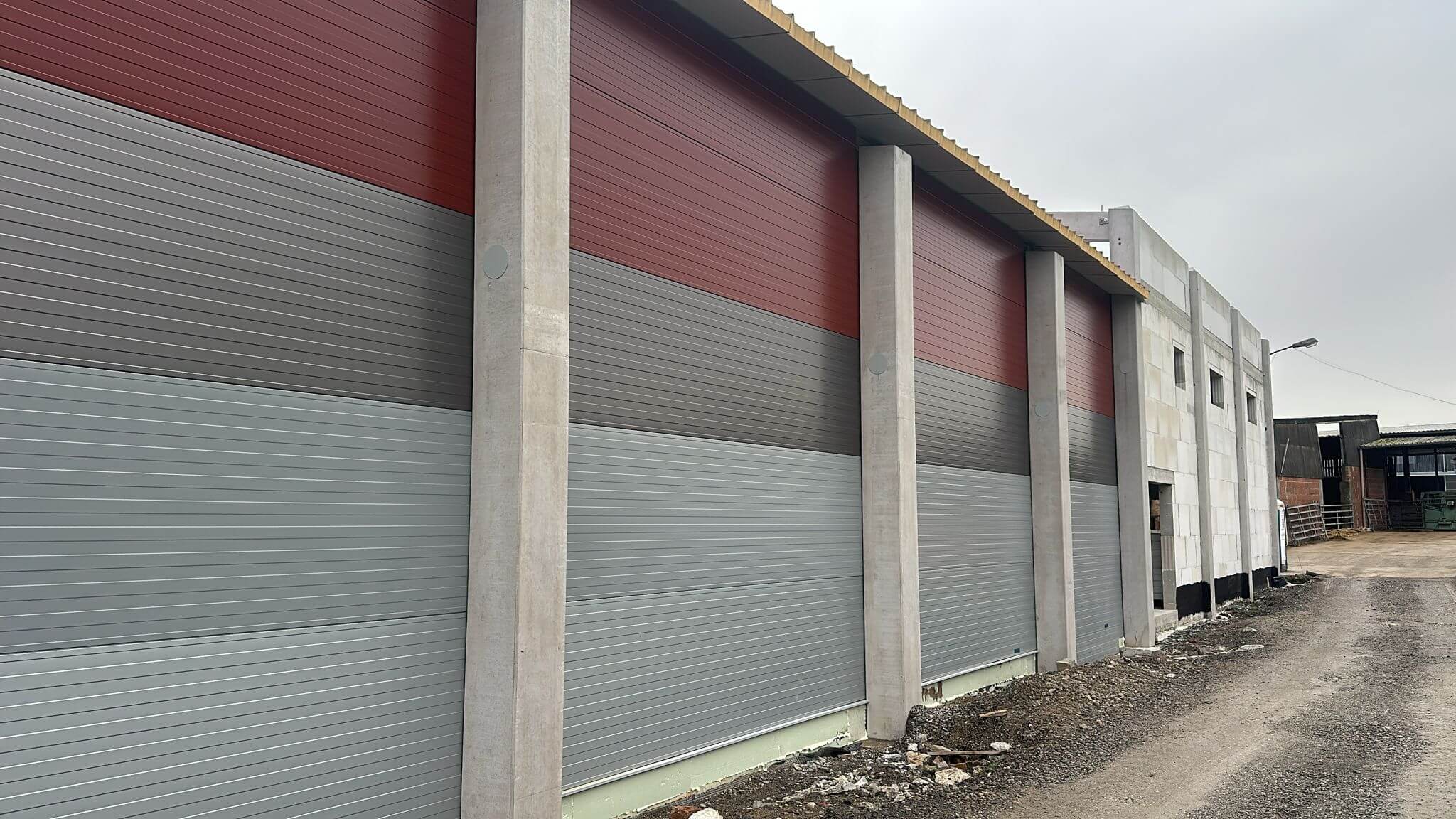
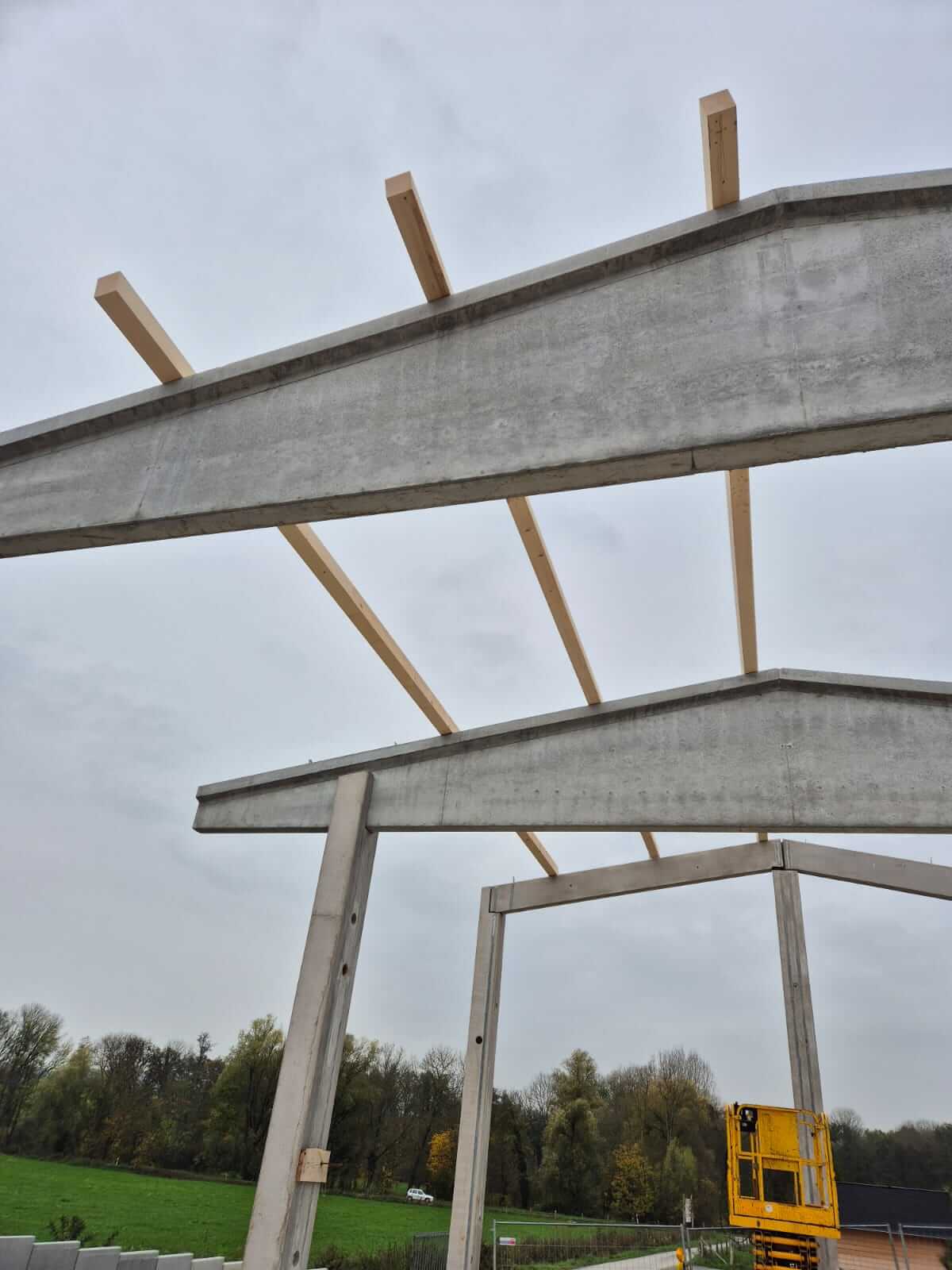
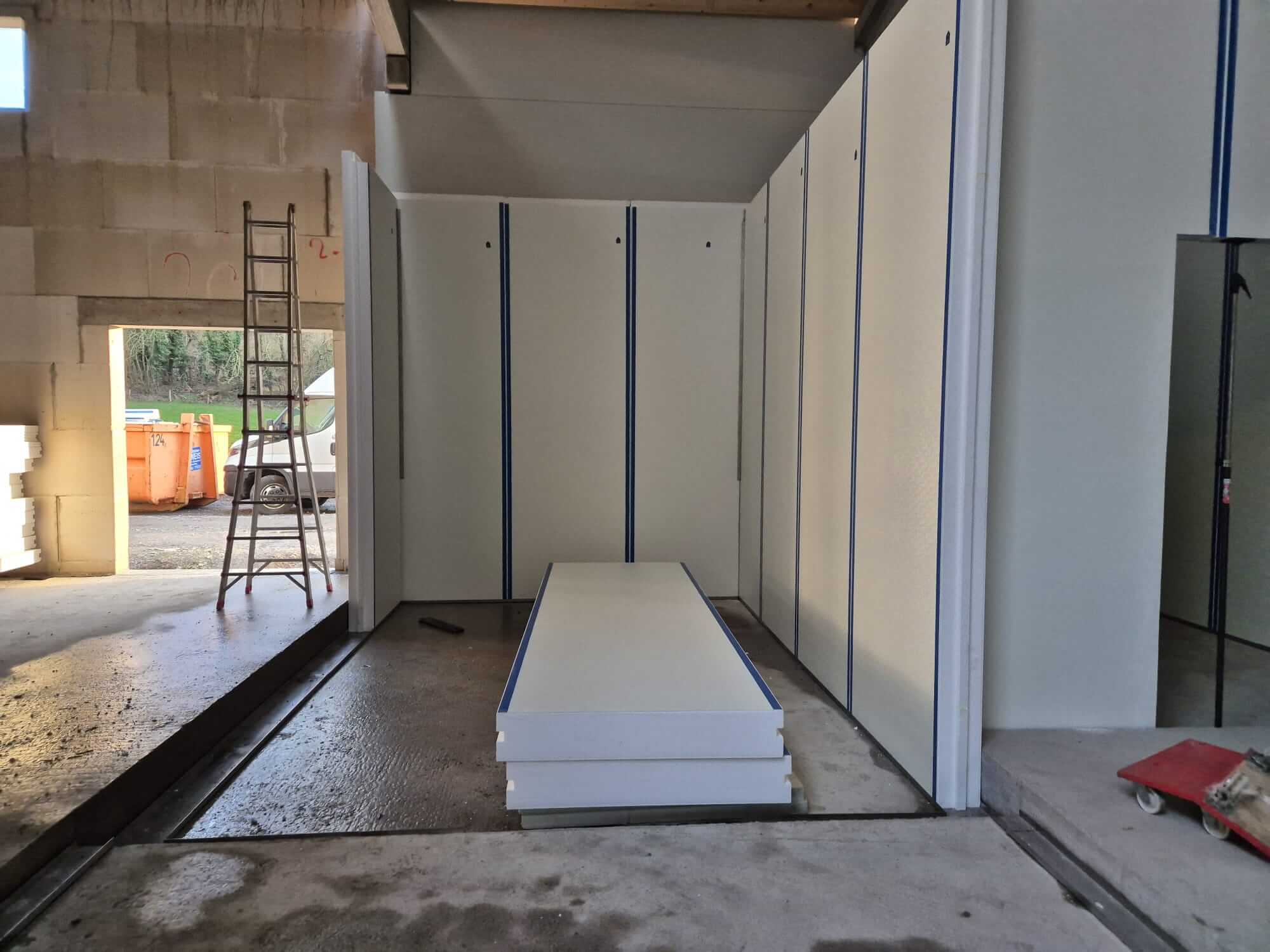
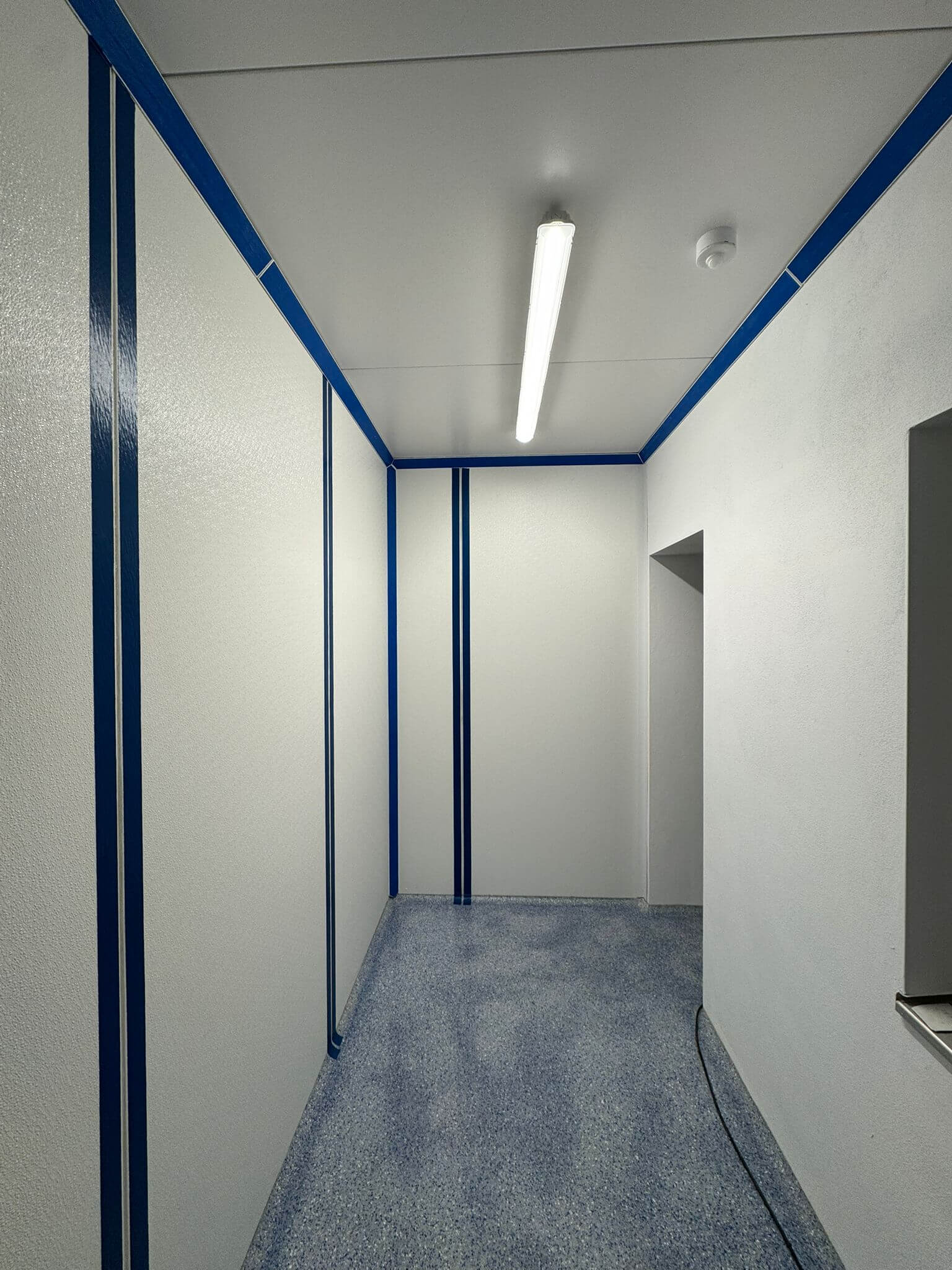
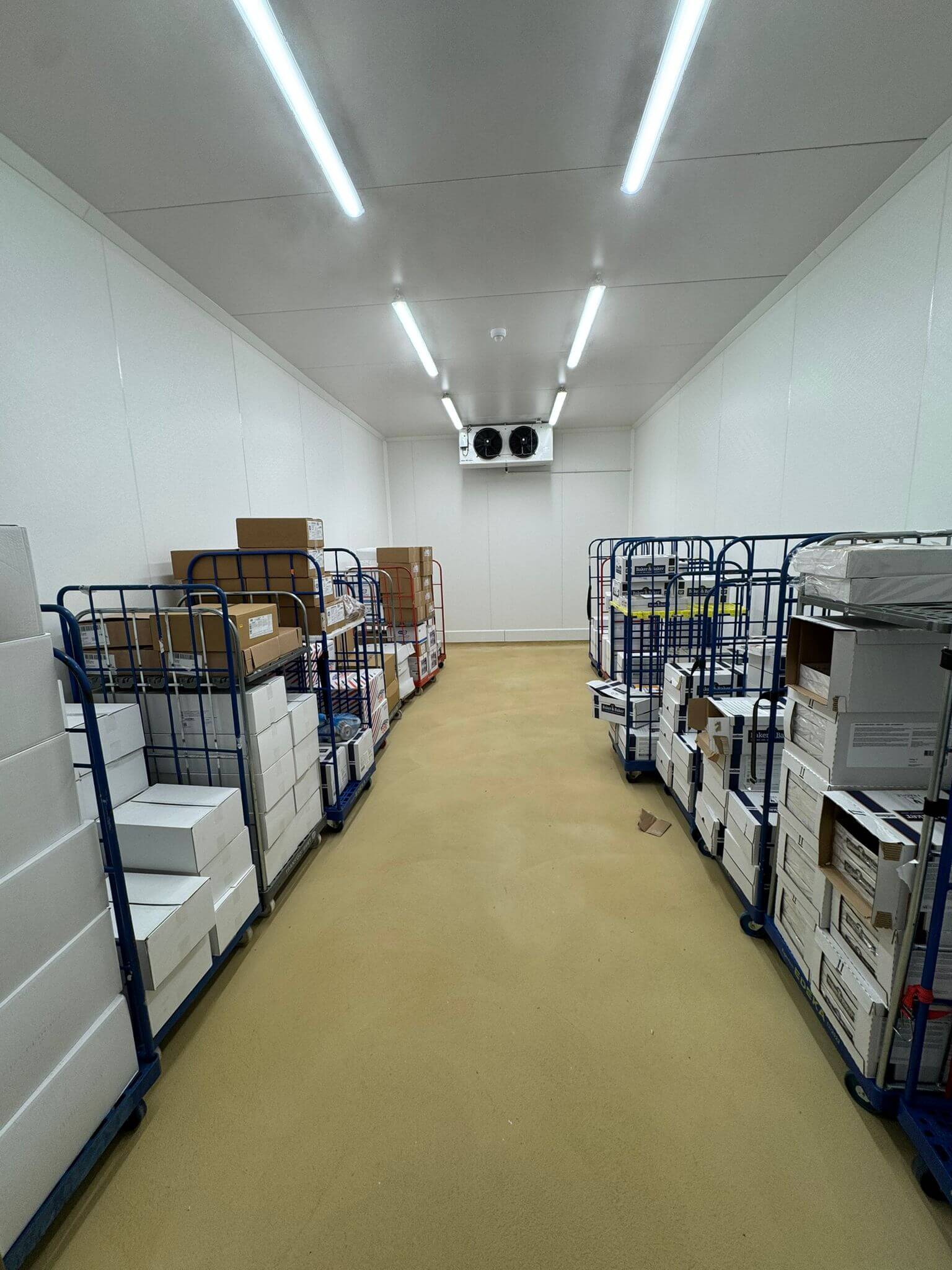
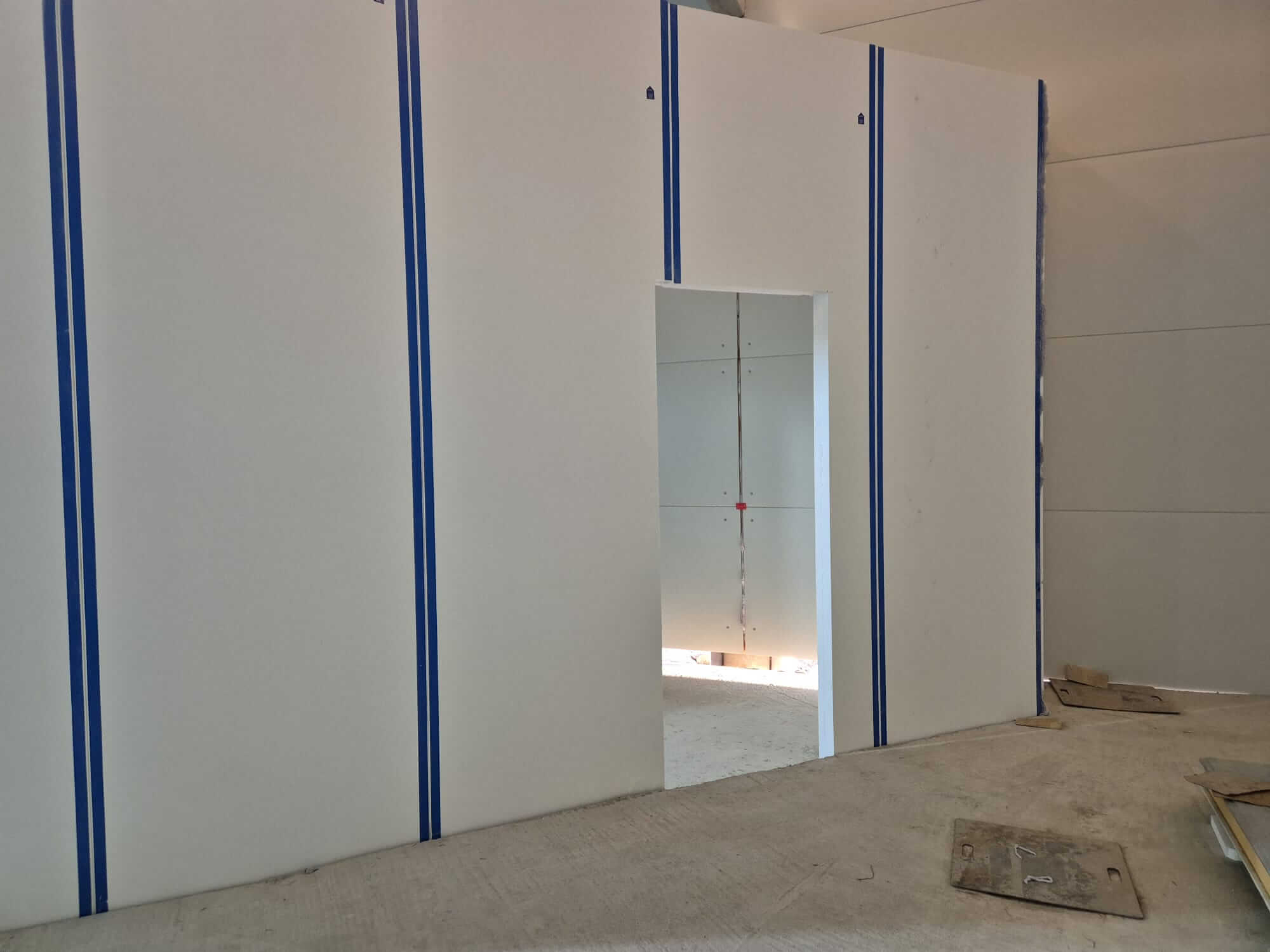
A new building that had to be constructed in the middle of an existing courtyard required a particularly precise spatial analysis. The floor plan had to take into account both the production logic and the challenging access situation. The trick was to arrange rooms in such a way that material and people flows did not collide, cleaning routes remained short and hygiene areas were clearly separated.
The preliminary planning work laid the foundation for FoodTec Buildings to later realize a hygienically clean, clearly structured building. This project showed how intelligent planning can create order and sustainability even in tight spatial situations.
What this year has shown: Integrated planning is becoming a success factor
2025 was characterized by increasing requirements – and the realization that uncertainty in the construction process is the greatest burden for food businesses. Good planning therefore means not only technical drawings, but also reliable decisions:
clear processes, clean interfaces, early clarification of open points and a structure that FoodTec Buildings can later implement precisely.
Many companies reported how much they value this security. In an industry where every hour of downtime costs money, the role of planning became even more apparent: it provides orientation, prevents wrong decisions and enables conversions while production continues.
The decisive factor here is the interaction within the Group – when Schwan Projekt ‘s planning is dovetailed with the structural implementation reality of FoodTec Buildings at an early stage and the Wirth Group sets the strategic framework within which such projects can be reliably managed.
Where planning in the food industry is heading
A look ahead to 2026 shows that the demands on planning will continue to increase. Production layouts must become more flexible in order to be able to integrate new process steps or product lines. Hygienic zones will become an even greater focus in planning, as will energy flows and sustainability.
Digitalization will play a greater role – not as an end in itself, but as a tool to make processes visible and optimizable at an earlier stage.

The Wirth Group says thank you
2025 has shown how much impact precise planning can have – visible in processes, spaces and in the day-to-day work of the companies. Schwan Projekt GmbH would like to thank all partners and teams for their trust. If you would like to understand how planning, construction and hygiene complement each other within the Wirth Group, you will find further insights in the articles by the Wirth Group and FoodTec Buildings.
We look forward to another year in which well thought-out planning makes food production safer, more efficient and more sustainable.
